



Borrowed Brilliance: Three Industries Destination Marketers Should Be Studying

Published: August 28, 2026
Share on LinkedIn Share on Twitter Share on Facebook Click to print Click to copy url
Summarize with ChatGPT
By Amy Boek
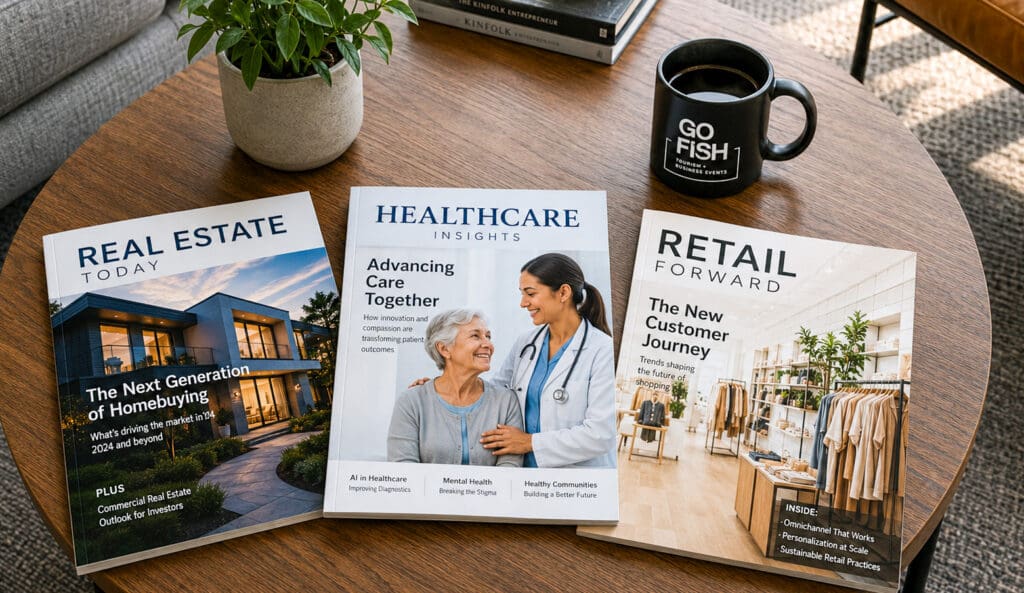
Borrowed Brilliance: Three Industries Destination Marketers Should Be Studying Right Now
Earlier this year, I argued that destination marketers need to stop looking exclusively at other destination marketers for inspiration in my first Borrowed Brilliance blog. Not because the work happening across our industry isn’t good, but because when everyone is attending the same conferences, seeing the same case studies, and benchmarking the same campaigns, we shouldn’t be surprised when destinations all start launching similar ideas.
If we want different results, we need different inputs.
That idea became the foundation for my U.S. Travel Educational Seminar for Tourism Organizations (ESTO) presentation this year, where I shared three examples of industries solving many of the same marketing challenges DMOs face every day: different industries and audiences, but many of the same customer behaviors and marketing challenges.
Here are three lessons from other industries that can help destination marketers approach familiar marketing challenges with a fresh perspective.
Real Estate: Market Long Before Someone Is Ready to Choose
Vacation booking and business event decisions aren’t made overnight. Neither are home purchases.
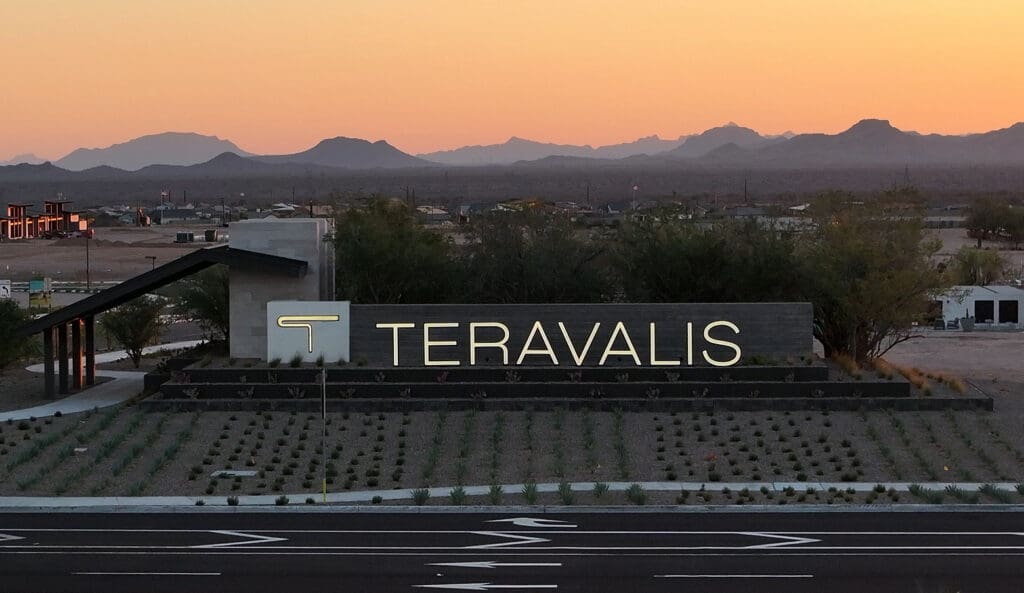
Take Teravalis, a 37,000-acre master-planned community outside Phoenix that had to sell a vision before it had much to show. Buyers weren’t purchasing an existing neighborhood; they were buying into a vision of what the community would become. That meant marketing couldn’t focus on immediate conversions. Much like destination marketing, it had to build awareness, pique curiosity, and create an emotional connection to an experience people couldn’t have yet. They understood that the buyer cycle is long and messy, and the marketing had to speak to them at every stage.
So we designed the marketing approach around the entire buyer journey. Storytelling introduced the long-term vision, and earned media and PR supported awareness hurdles. Paid media stayed in front of potential buyers as they researched, with retargeting keeping the community top of mind during the long research and consideration stages. We segmented audiences based on behavior in their CRM, and the messaging and creative shifted for every stage of the buyer journey. Success wasn’t measured only by homes sold; it was measured by engagement signals. We measured repeat visits, content engagement, growing remarketing audiences, and better-informed prospects entering the sales process. Marketing success looked for signals that people were moving closer to a decision, not just the end result.
When it came time to promote the Grand Opening, the campaign wasn’t starting from scratch. Months of storytelling, awareness-building, and audience nurturing had already introduced people to the vision and created anticipation for what was coming. The Grand Opening campaign generated 110 million impressions across Google, Meta, programmatic, and out-of-home advertising with over 80,000 clicks, 782 qualified leads, and more than 2,000 event attendees.
But the real story isn’t the campaign metrics. It’s what made those results possible. Those leads weren’t generated by a single campaign but the culmination of months spent building awareness, sparking curiosity, and creating demand long before people were ready to buy. By the time the Grand Opening arrived, there was enough momentum to generate nearly a quarter of all qualified leads for the second half of the year during the launch period alone.
That’s what happens when marketing influences the entire customer journey instead of focusing only on the final conversion.
The lesson for destination marketers is simple: Most travelers don’t wake up one morning and book a trip to your destination.
They compare different places. They ask friends. They search for things to do. They build itineraries. They shop for flights, hotels, and activities. They come back to your website multiple times before making a decision.
Yet many tourism marketers still focus on the booking moment, especially when budgets get tight, or stakeholder pressure focuses just on the final metrics.
The takeaway for destination marketers is to look beyond the booking moment. Don’t let your marketing strategies and media plans be overly influenced by reports that focus only on the final conversion. That’s what most analytics platforms are designed to measure, but it’s only one part of the story. The traveler decision-making process isn’t a straight line. People discover, compare, validate, revisit, and eventually decide.
- That’s why your marketing should support the entire planning process, not just the finish line. Create content and tools that inspire travelers while also making the decision easier
- Build comparison guides, planning resources, itineraries, FAQs, and validation content that answers questions and removes friction before someone is ready to book
- Measure the signals that tell you people are moving closer to a decision, like return visits, guide downloads, itinerary saves, email engagement, and deeper content exploration
Those interactions may not be conversions, but they’re often what make conversions possible.

Healthcare: Expertise Doesn’t Matter If People Can’t Find It
If there’s one area where we want to trust the experts, it’s healthcare. And successful healthcare organizations have become incredibly good at one thing: answering questions.
Patients rarely begin their search by looking for a provider’s name. They’re searching for answers to very specific problems: “Adult ADHD testing near me,” “Why does my shoulder hurt?” or “Do I need physical therapy after knee surgery?” The organizations that show up aren’t always the ones with the best doctors. They’re the ones that have packaged their expertise around the questions people are already asking.
One healthcare organization we partnered with had exceptional specialists and expanding services, but much of that expertise wasn’t appearing when prospective patients searched online. Their website described their services well enough, but it wasn’t organized around how patients actually searched for care. It also wasn’t helping filter out patients who weren’t a good fit, creating unnecessary friction for both prospective patients and providers. Our strategy was simple: make their expertise discoverable while helping the right patients find the right care.
Instead of simply producing more content, we restructured the entire content strategy around real search behavior. We expanded high-intent service and condition pages around the questions people needed answered, optimized provider bios to be more discoverable, and created educational content that connected expert knowledge with real search intent. Every element of the strategy, from site architecture and internal linking to localized SEO and generative engine optimization (GEO) efforts, worked together to help the organization show up wherever patients were searching, whether that was Google, AI search, or other answer engines.
The impact went far beyond increased website traffic. Organic sessions grew more than 200% year over year, organic form submissions increased nearly eightfold, and organic search became one of the organization’s primary patient acquisition channels, accounting for 42% of bookings.
The lesson for destination marketers is that your destination already has valuable expertise. Your locals know the hidden gems. Your sales team knows the questions meeting planners ask before submitting an RFP. Your visitor services staff answers the same traveler questions every day. The challenge isn’t creating expertise. It’s making that expertise discoverable.
- Build content around the questions travelers are already asking, not just the experiences you want to promote.
- Organize it so it’s easy for search engines, LLMs, AI platforms, and travelers themselves to understand.
- Create pages that answer real planning questions, expand destination knowledge, and help people make decisions with confidence.
The easier your expertise is to find, the more likely your destination is to become part of the consideration set before a competitor does.
Retail: Stop Waiting Until the Campaign Ends to Learn
Retail marketers have something I wish more destination marketers embraced. They’re less concerned with defending a campaign and more interested in improving performance. Rather than relying on a single creative concept or a fixed set of assets, they treat every campaign as an opportunity to test, learn, optimize, and scale what works.
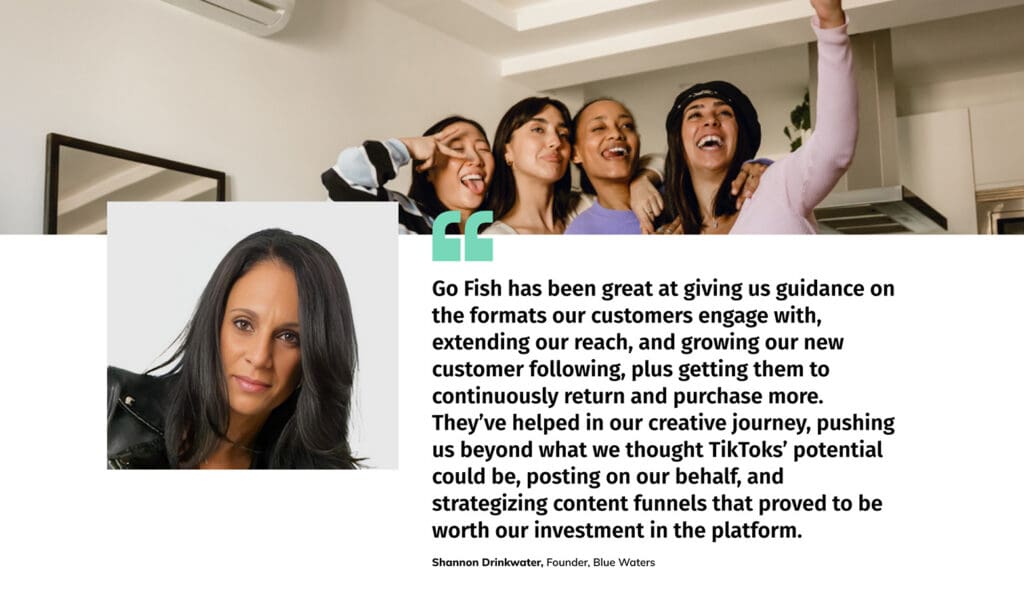
One retailer we partnered with, Blue Waters, had built a loyal community and strong engagement on social media, but they needed more than views and likes. They needed sales. As TikTok’s algorithm evolved and audience behavior shifted, the challenge wasn’t creating more content. It was turning social engagement into a scalable ecommerce channel.
Instead of treating TikTok like another social platform, we approached it like a storefront. We launched TikTok Shop campaigns and tested dozens of short-form creative concepts, starting with single-product videos to quickly identify what resonated. Real-time performance data informed every decision, from creative and messaging to media allocation. As winning content emerged, we scaled it, retargeted shoppers, and supported live shopping events that kept customers moving from discovery to purchase.
The results demonstrated the value of that approach. TikTok Shop revenue increased 125% month over month, purchase rates climbed 87%, cost per purchase dropped 72%, and overall revenue grew 35% in just two quarters. More importantly, TikTok evolved from an awareness channel into one of the brand’s highest-performing sales channels.
The takeaway for destination marketers is that optimization shouldn’t wait until the campaign is over. Many DMOs may consider optimizing media throughout a campaign, but they’re often working from a single creative concept or one set of campaign assets. Retail marketers think differently. They build testing into the creative strategy itself, continually evaluating different messages, visuals, formats, and audiences to see what resonates.
That means refreshing creative regularly, promoting the organic content that’s already proving it works, shifting media dollars toward what’s performing, and scaling winners across channels. Instead of asking, “How is this campaign performing?” they’re asking, “What can we learn today that will make it perform even better tomorrow?”
That level of continuous optimization takes time and expertise, which is why having a performance-focused agency partner can make such a difference. The right partner is continuously testing creative, identifying new opportunities, reallocating budget, and refining campaigns in real time. That not only saves your team valuable time, it also creates a more efficient media strategy, improves return on ad spend (ROAS), and frees your staff to focus on the bigger-picture initiatives that move your destination forward.

Looking Outside the Tourism Bubble
These examples aren’t really about real estate, healthcare, or retail. They’re about marketing.
Real estate reminds us that great marketing doesn’t begin at the moment of conversion. It builds awareness, sparks desire, and nurtures confidence throughout a long and often messy decision-making process.
Healthcare demonstrates that expertise only creates value if people can find it. The best content is built around how consumers search and structured to be discovered across traditional search, answer engines, and AI.
Retail proves that testing beats assumptions every time. Success comes from continuously optimizing not only your media, but also your messaging, creative, formats, and audiences while campaigns are still live.
The industries may be different, but human behavior isn’t. That’s why Borrowed Brilliance isn’t about copying someone else’s campaign. It’s about recognizing great marketing wherever it happens and asking one simple question: How would this work for my destination?
The best ideas in destination marketing probably won’t come from the next DMO case study. They’ll come from looking beyond our industry, borrowing the best ideas, and adapting them to the unique challenges we solve every day.

Where to Find Marketing Inspiration
The Borrowed Brilliance concept doesn’t stop with this blog or my ESTO presentation. Some of the best ideas in destination marketing are hiding in industries most of us aren’t paying attention to. Here are four simple ways to bring more outside perspective into your work.
Curate your feed.
Fill your LinkedIn, Instagram, and newsletter subscriptions with marketers from outside the destination industry. Follow retail, ecommerce, healthcare, real estate, higher education, hospitality, and tech. The goal isn’t to copy what they’re doing. It’s to understand how they’re solving marketing challenges that look surprisingly similar to yours.
Use AI as your research assistant.
Instead of asking AI for tourism marketing ideas, ask what tourism can learn from other industries. Try prompts like, “What can destination marketers learn from retail?” or “How do universities market during long decision-making journeys?” AI is a powerful tool for uncovering patterns, strategies, and examples you might never have found on your own.
Follow marketing events.
You don’t have to attend Cannes, Adobe Summit, HubSpot INBOUND, Google Marketing Live, or Shoptalk to benefit from them. Most conferences publish keynote recordings, session recaps, and trend reports after the event. Spend an hour reviewing the biggest takeaways and ask yourself, “How could this apply to my destination?”
Choose partners who bring outside perspective.
The same principle applies to the partners you work with. Some of the strongest agency relationships combine deep destination marketing expertise with experience across other industries, bringing fresh ideas and proven strategies that might otherwise never make their way into tourism. The best partners don’t just understand destinations. They bring outside perspective that helps destinations stay ahead.
The best destination marketers go beyond studying destination marketing. They study great marketing wherever they find it. And sometimes, the idea that transforms your next campaign comes from an industry that has nothing to do with tourism.
Follow along for my upcoming Borrowed Brilliance blogs, or catch insights on LinkedIn and emails from Go Fish Tourism + Business Events.