


Meta’s AI Ad Changes Raise New Risks for Advertisers Ahead of the Holidays

Updated: November 02, 2026
Share on LinkedIn Share on Twitter Share on Facebook Click to print Click to copy url
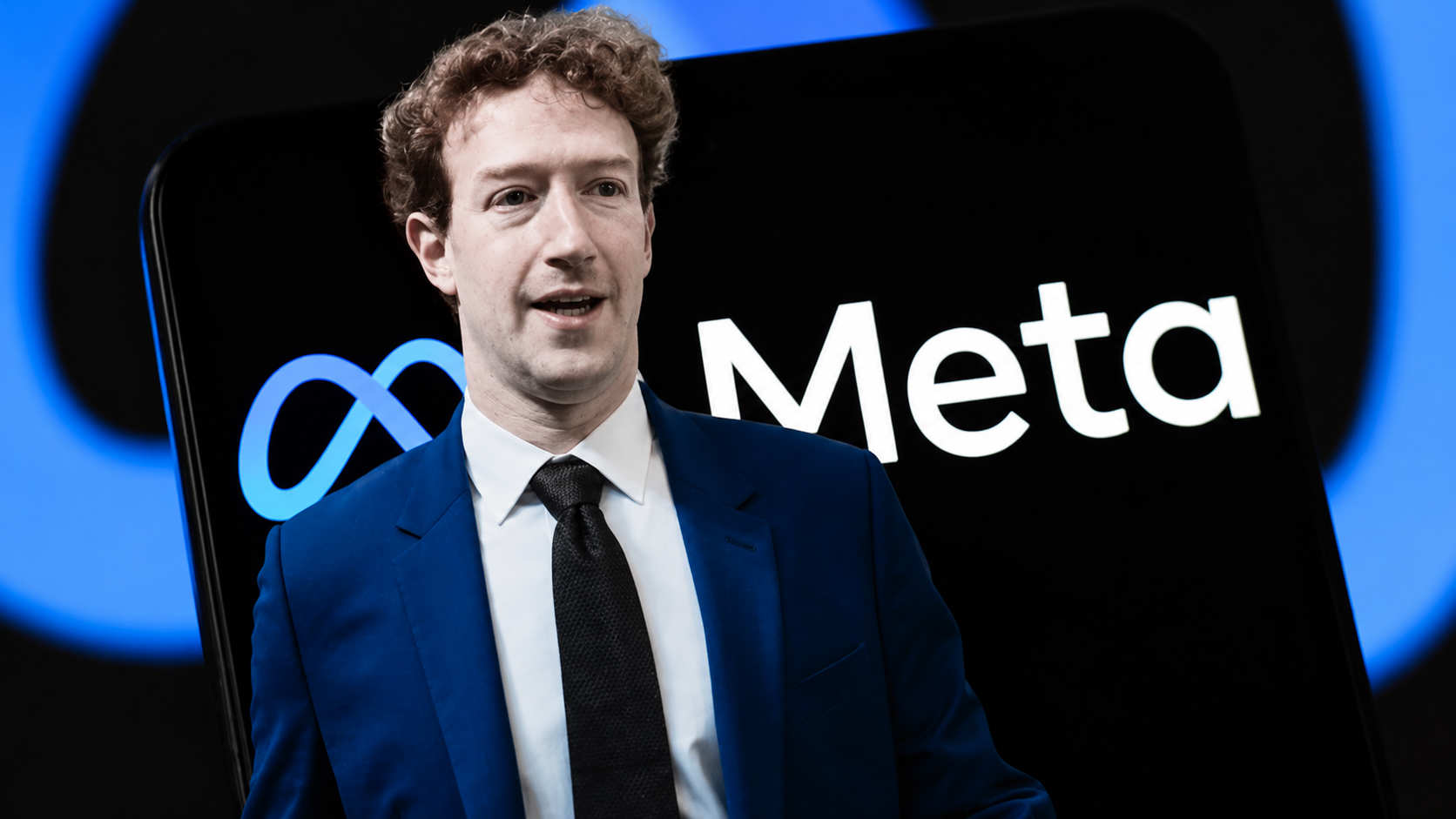
Meta’s AI tools are making changes to advertisers’ creative without their knowledge, and its updated terms put responsibility for those changes on advertisers.
In a recent Adweek article, David Dweck, President of Go Fish Digital, weighs in on Meta’s new Commercial Terms, which took effect October 30, just ahead of the busy holiday shopping season.
The changes come as advertisers report unwanted AI-generated images, copy translations, and other creative modifications appearing in live campaigns.
Key Takeaways
1. Advertisers may be held responsible for AI changes they didn’t approve.
Meta’s updated terms make advertisers “solely responsible” for AI-generated or modified content, including features Meta enables automatically. The platform acknowledges that its AI tools can produce inaccurate or unsuitable results.
2. Unwanted AI enhancements are already affecting live campaigns.
Bookshop.org discovered that Meta had added an AI-generated illustration to one of its ads without its knowledge. Other advertisers have reported unexpected sitelinks, translations, and AI-generated creative, sometimes requiring agencies to pull ads after launch.
3. The timing puts advertisers in a difficult position.
With the changes arriving just before Black Friday and Cyber Monday, brands have limited flexibility to reduce their reliance on Meta.
As Dweck told Adweek:
“Meta knows that they’ve got advertisers a bit over a barrel here and are going to be forced into it.”
Go Fish Digital is reviewing the updated terms with its legal team and has contacted Meta for clarification. However, Dweck said the agency isn’t advising clients to pull back on Meta advertising during Q4, when the platform is an important sales driver.
The Go Fish Perspective
For advertisers, the immediate concern is control over what actually goes live.
AI enhancements can help teams produce and test creative faster, but automatic changes create another layer of risk. An ad might perform well while displaying imagery or messaging the brand never approved.
That makes regular audits of Meta’s AI settings and live creative especially important. Advertisers need to know which features are enabled, what Meta is changing, and whether those changes align with their brand standards.
Dweck’s comments also reflect the practical reality for performance marketers. Meta remains an important revenue channel, particularly during Q4. Pulling back isn’t always a reasonable option, so agencies need to manage the risks while keeping campaigns running.
Read the Full Story
Adweek examines Meta’s updated AI advertising terms, unwanted creative changes, and how agencies are responding, featuring commentary from Go Fish Digital President David Dweck.