



AI Search Is Reshaping How Brands Win in 2026

Published: December 11, 2025
Share on LinkedIn Share on Twitter Share on Facebook Click to print Click to copy url

AI search is no longer an experiment. It is actively changing how people discover information and how platforms decide which brands to surface. As we move into 2026, search engines are shifting toward conversational, assistant-driven answers that blend classic rankings with AI-generated responses. This shift affects visibility, traffic, and the way teams measure performance.
This article explains what is changing right now, what matters most heading into 2026, and how brands can prepare with strategies designed for both traditional and AI-powered search environments.
Key Takeaways
- AI search is already influencing user behavior. AI Overviews, Perplexity, and Copilot Search normalize conversational answers and reduce classic organic clicks.
- Structured data, entity clarity, and query fan-out strategies now drive visibility. Keywords support these strategies but no longer lead them.
- Local and GEO search are becoming conversational, which requires content that mirrors how people speak to assistants.
- Technical SEO carries more weight. Schema, content clustering, structured feeds, and freshness help AI systems interpret your brand.
- New metrics are emerging. Visibility inside AI answers, assist impressions, and post-answer engagement matter more than rank alone.
- 2026 will deepen these changes. Assistant commerce, Siri’s overhaul, and regulatory shifts will influence attribution and traffic patterns.
What “AI Search” Means Right Now
AI search blends conventional results with generated answers that feel more conversational. These responses sit above or alongside blue links, pulling structured data, citations, and authoritative sources into summarized outputs.
Many marketers know AI affects search, yet few realize how much of this ecosystem is already active. Google, Microsoft, OpenAI, Perplexity, and Apple are each shaping a new model where clarity, structure, and authority determine visibility.
From Results to Responses
The shift from result lists to AI-generated responses is already visible. Google’s AI Overviews, Microsoft Copilot Search, and Perplexity all place conversational answers before traditional links. This reduces classic clicks but often improves user satisfaction by providing faster, clearer explanations.
A deeper analysis is available here: Why AI Overviews Matter and Why Brand Mentions Have Real SEO Impact
These changes are not theoretical. They influence daily search behavior today.
Ecosystem Snapshot
Understanding how major players approach AI search helps clarify where SEO is heading.
- Google: AI Overviews continue to expand and Gemini is powering more queries.
- Microsoft: Copilot Search blends conversational answers with familiar result cards.
- OpenAI: Search-like experiences inside ChatGPT are becoming standard as users shift to chat-style discovery.
- Perplexity: Its user base is growing quickly, supported by new commerce integrations such as PayPal’s instant buy experience.
- Apple: A major Siri overhaul is anticipated for 2026, which will likely introduce new ways users search on-device.
Google and Perplexity represent the most mature surfaces today. Copilot and ChatGPT continue to scale, while Apple’s shift is on the horizon.
What Is Actually Changing for AI and SEO
As AI shapes how results are displayed, SEO evolves from ranking pages to appearing inside AI answers. Visibility depends on how well search systems understand your entities, your data, and your content relationships.
Query Fan-Out > Single Keyword Targets
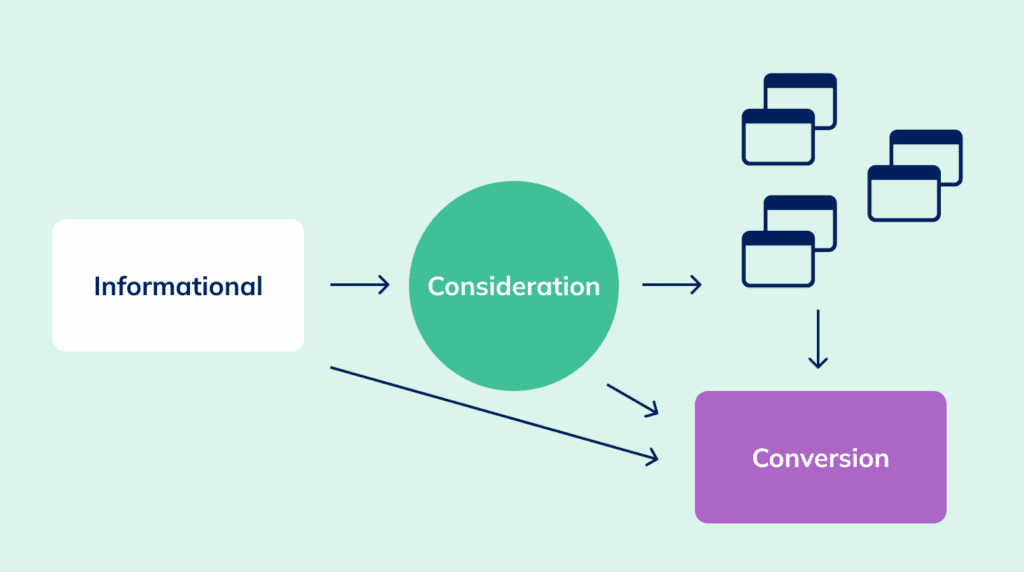
Search journeys no longer move through linear, single-keyword targets. One intent may spark several related sub-queries across the funnel. Brands that plan only around keywords risk losing coverage when AI expands the query.
This guide shows how to analyze fan-out patterns: How to Extract AI Overview Query Fan-Outs Using Screaming Frog + Gemini
Stronger topic ecosystems support broader visibility and more consistent inclusion in answers.
Entities, Schema, and Feeds Are Foundational
Structured data plays a central role in how AI systems interpret your content. Clear entities, consistent schema, product and FAQ markup, and well-maintained feeds all influence whether your brand appears in generated responses.
Google continues to invest heavily in structured data support.
This work is no longer optional. It is the baseline for modern SEO.
Local and GEO Search Become Conversational
Local search is shifting quickly toward conversational discovery. Users now rely on voice assistants, AI-driven map summaries, and recommendation tools like Perplexity Nearby or ChatGPT voice search.
Search Engine Land breaks down this transformation: GEO x local SEO: What it means for the future of discovery
As this continues, accurate structured data, natural-language Q&A content, and assistant-ready listings become essential for local visibility.
Content Formats Diversify
AI favors clarity. It pulls from structured answers, FAQs, short explainers, and visual snippets because these formats are easier to interpret. Brands that diversify content formats now are better positioned for visibility as assistants mature in 2026.
Fewer Classic Clicks, More Zero-Click Outcomes
Reduced click-through rates are already measurable as AI-generated answers replace traditional SERP interactions. Although traffic may drop, brands can still gain visibility through citations, mentions, and brand exposure inside answer summaries.
This guide shows how brands can compete in zero-click environments: Winning When No One Clicks: How eCommerce Brands Compete in Zero-Click Search
Teams that adjust KPIs early will stay ahead.
The 2026 Playbook: Preparing for the Future of SEO
Adapting to AI search requires a mix of technical readiness, content strategy, and flexible measurement. These steps help teams prepare for shifts that will continue into next year.
1. Map Intent and Query Fan-Out Across the Funnel
Break broad intents into specific sub-questions. This improves visibility across learn, compare, buy, and troubleshoot moments and supports stronger answer coverage.
2. Build an Entity and Data Layer
Consistent schema, structured feeds, and sameAs links help AI systems understand your brand. These elements already influence answer inclusion and will matter even more in 2026.
3. Optimize for Assistant Surfaces
Content should be structured so assistants can cite it easily. Direct answers, conversational phrasing, and Q&A blocks support this growing set of surfaces.
4. Use AI-Assisted Production Workflows
AI can accelerate ideation and outlining, but human writers protect accuracy, brand voice, and context. This hybrid approach is becoming a standard part of content operations.
5. Strengthen Technical Foundations
Crawlability, site speed, schema, APIs, and freshness underpin every AI search opportunity. Strong technical SEO ensures your content is discoverable and interpretable.
6. Modernize Measurement
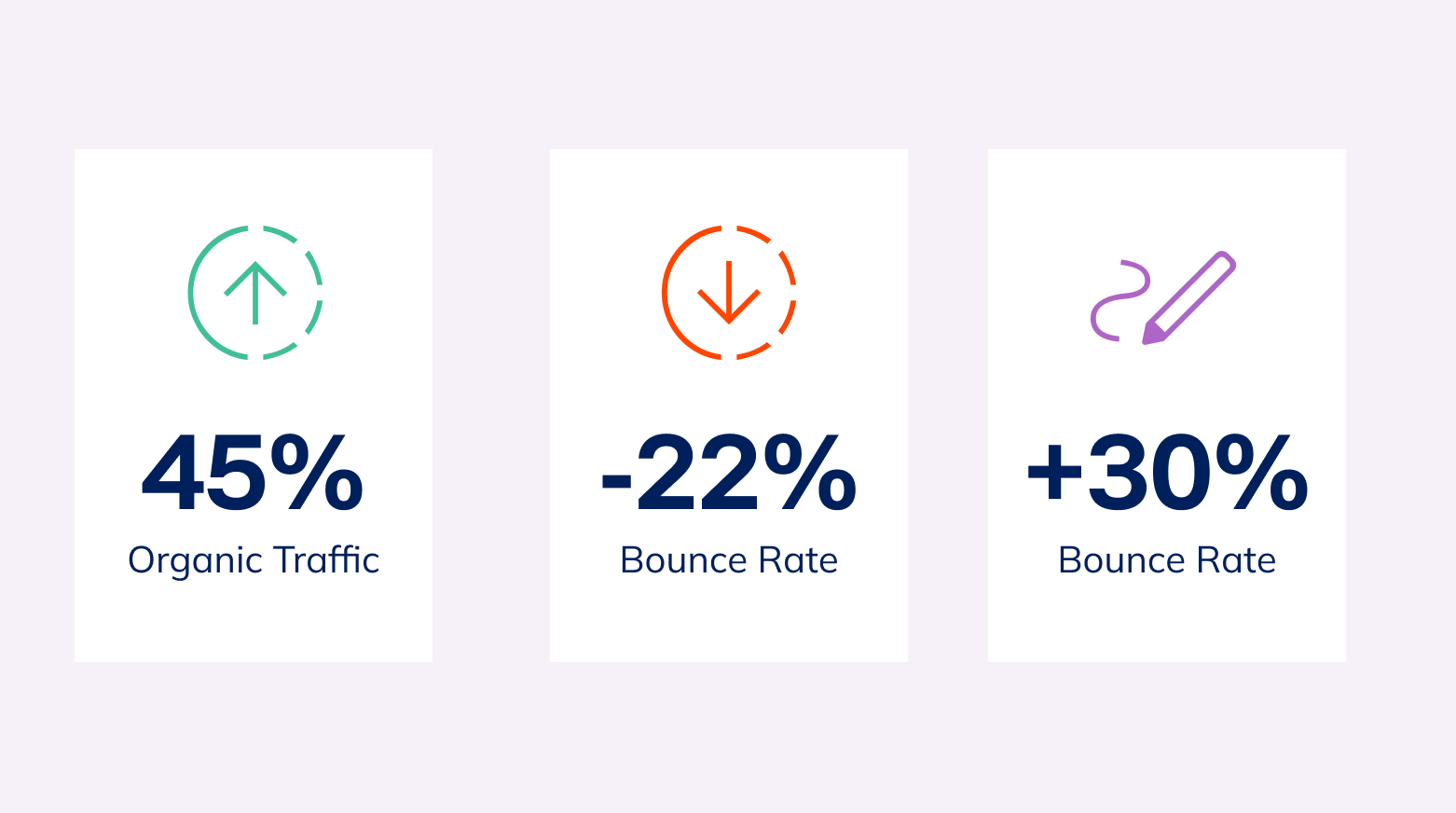
Rank still plays a role, but new metrics offer a clearer view of performance. Track answer inclusion, assist impressions, brand mentions, and post-answer engagement to understand true visibility.
7. Industry Notes for 2026
- Enterprise: Strengthen internal linking, data feeds, and authoritative clusters.
- eCommerce: Prioritize product schema, inventory clarity, and conversational buyer guides.
- Local: Focus on accurate structured listings and natural voice queries.
- SaaS: Publish educational content closely connected to product use cases.
These practices are already producing results and will become standard.
How AI Will Continue to Reshape SEO in 2026
AI search will expand in new directions as platforms refine their models and introduce new interfaces.
Emerging Trends
Expect growth in multimodal search that blends text, image, and voice. Agent-like commerce experiences will also rise, enabling users to complete transactions within assistants.
Strategic Uncertainties
Legal and regulatory developments may influence model training, data usage, and attribution rules. These changes could reshape how visibility is measured.
Planning for Flexibility
Teams that can test, measure, and adjust quickly will be in the best position to stay ahead. Agility becomes a differentiator as the ecosystem evolves.
Embracing the Future of SEO with Go Fish
AI search is here and accelerating. The brands that act now will enter 2026 with momentum, while those that wait will have a harder climb ahead. Go Fish blends SEO expertise, AI strategy, and data-driven content operations to help teams stay visible across every platform where people search.
If you want a deeper assessment of how AI search affects your brand, you can request a proposal here.
Frequently Asked Questions About AI Search and SEO in 2026
Is SEO still relevant in the age of AI?
Yes. SEO remains essential. The goal is shifting from ranking first to being cited in AI-generated responses. Structured data, entity clarity, and authoritative content support visibility in both environments.
How can my brand appear in AI-generated answers?
AI favors clear, structured, authoritative content. Strong schema, entity optimization, and Q&A formats increase the likelihood of being included in answer summaries.
Will clicks continue to drop in 2026?
Yes. AI summaries already reduce classic clicks. Visibility shifts to in-answer mentions and brand exposure. Measure answer inclusion and brand lift instead of relying only on rank or CTR.
How should local businesses adapt to conversational discovery?
Local discovery is increasingly voice-driven. Accurate schema, strong reviews, inventory clarity, and natural-language Q&A content help assistants surface your business more reliably.
What metrics matter for AI-driven SEO?
Track answer inclusion, brand mentions in AI responses, assist impressions, and post-answer engagement. Analytics tools are evolving rapidly to support these metrics.
What is next for AI search in 2026?
Expect deeper assistant commerce, Apple’s Siri overhaul, and more clarity around data licensing. Treat 2026 as a year for refinement. Experiment early, measure consistently, and stay adaptable.
Ready to understand how AI search will shape your visibility in 2026? Connect with our team and get a clear plan built for the year ahead.
About Josh Kimble
Since 2021, Josh has helped brands grow through smart, data-driven SEO. With experience both in-house and agency-side, he partners with companies across industries to uncover new search opportunities and turn them into measurable success.