


The Holiday Rush Is Over. Here’s How to Fix Your Email Deliverability

Published: January 22, 2026
Share on LinkedIn Share on Twitter Share on Facebook Click to print Click to copy url
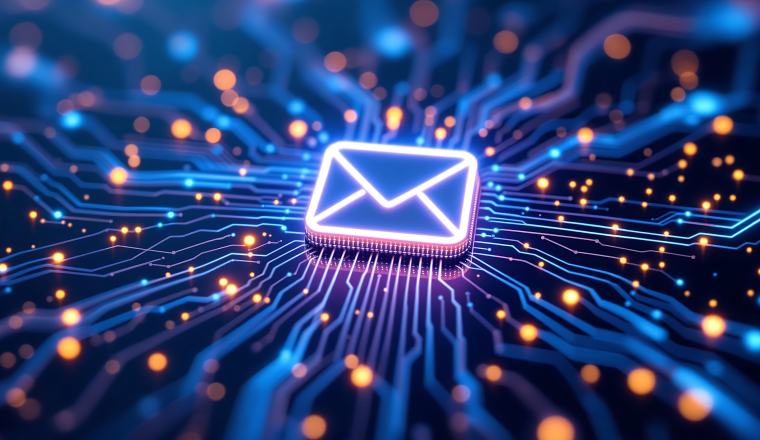
Now that holiday shopping and hosting are behind you, it feels like you finally have some time to yourself. Between wrapping gifts and prepping meals, it’s hard to keep up with reading emails or tackling your inbox. But if you’re on the other side, sending out the emails, you know the real work is just beginning.
During the holidays, increased sending and promotions are the norm, but that can take a toll on your account’s health. Welcome to Q1! Time to reflect, learn from last year, and take steps to improve your account’s health as you set yourself up for success in the year ahead.
During the holiday rush, brands often push their programs to the absolute limit to maximize holiday performance and the consequences of this approach don’t always appear immediately. Inbox providers closely monitor sending patterns and analyze engagement rates over time. When engagement deteriorates during the holidays, it can create a compound effect that increases the likelihood of campaigns landing in the spam folder or, worse, being blocked entirely.
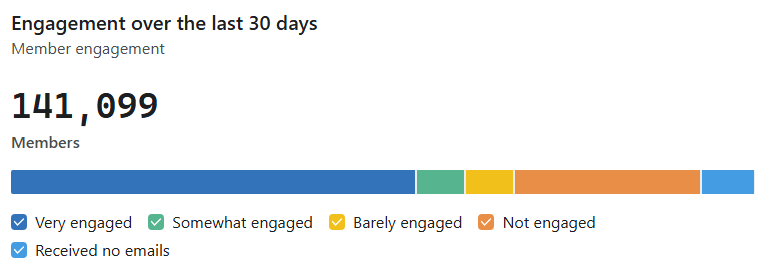
Before taking action, it’s important to understand where you stand. Compare your pre-holiday metrics to performance during the holiday season, and benchmark those results against industry standards to get a realistic sense of how your account is performing relative to peers.

List Hygiene and Re-engagement
Once you’ve assessed your position, focus on rebuilding a strong foundation by starting with the basics: list hygiene. While it may feel counterintuitive when you’re eager to start the new year strong, continuing to send to unengaged or invalid email addresses actively harms your sender reputation.
Identify subscribers who may have been overwhelmed during the holiday season, typically those who haven’t engaged in the last 90–180 days and target them with a re-engagement campaign. Skip the generic “we miss you” messaging and instead offer genuine value, such as early access to a new launch, a special discount, or exclusive content. Include a clear call to action that encourages engagement. If subscribers engage, keep them on your list; if they don’t, suppress them. If you are sending emails from Klaviyo, follow these steps on how to clean your email list to maintain good deliverability.
It is also important to identify those subscribers who are not adding to your account. Look for subscribers who are a dead weight because they have never interacted with your emails. While this process may shrink your list, it will improve engagement rates and strengthen the overall health of your email program.
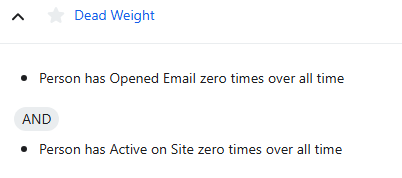
This approach is not one-size-fits-all, there are multiple ways to rebuild your sending reputation. Another effective method is to follow a process similar to warming up a new sending domain.
Rebuild sending reputation
Warming up a sending domain requires focusing on your most engaged and loyal subscribers, those who have opened or clicked an email in the last 30 days. These subscribers are your champions: people who genuinely want to hear from you. Their engagement signals to inbox providers that your content is relevant and desired.
Over the course of three to four weeks, gradually expand the engagement window and monitor performance metrics closely. Throughout this process, be thoughtful about both content and frequency. If your holiday strategy was aggressive, this is the time to slow down and shift away from constant promotions and discounts. Instead, prioritize fresh, value-driven content such as guides, blog highlights, practical tips, or exclusive insights. Strong engagement with this content helps signal inbox providers to place your emails more favorably.
Content strategy
Holiday-season email strategies are often heavily focused on promotions and discounts. These emails tend to deliver less value if the offer doesn’t resonate with the subscriber, which can lead to lower open and engagement rates.
As you work to recover deliverability, your content should pivot back to providing value and strengthening relationships with your audience. Rebalance promotional and educational content, aiming for an 80/20 split: approximately 80% educational or interactive content and 20% promotional or sales-driven messaging.
In addition to content mix, pay close attention to subject lines. Not every email needs to feel urgent, when everything is urgent, nothing is. Avoid common spam triggers such as “free,” “urgent,” or excessive punctuation. Instead, craft subject lines that spark curiosity and, when appropriate, incorporate personalization to increase relevance.
Segmentation and Personalization
When subscribers receive content that genuinely aligns with their interests, they engage more consistently which is why segmentation and personalization are critical to long-term email performance.
Leverage the data you’ve collected during the holiday season to build meaningful segments that reflect subscriber intent and lifecycle stage. For example, differentiate between first-time buyers and repeat customers, high-value purchasers and deal seekers, or subscribers who engage with educational content versus promotional offers.
Personalization should also extend beyond first-name tokens. Dynamic content, product recommendations, and tailored messaging based on subscriber behavior can significantly improve engagement rates sending high engagement signals to inbox providers.
It’s also important to remember that scale does not equal success. Not every campaign needs to reach thousands of subscribers to be effective. Smaller, highly targeted sends often outperform broad blasts by driving higher engagement, stronger revenue per recipient, and a healthier sender reputation overall.
The most important lesson from post-holiday sending
Recovering from email fatigue takes time and discipline. Remember to prioritize long-term goals over short-term gains. Desperate moves tend to hurt your account more than they help. The post-holiday season is an opportunity to demonstrate to both subscribers and inbox providers that you will continue to deliver valuable content that recipients appreciate, rather than simply skim.
As you rebuild your sending reputation, implement strategies that will keep your account healthy (and successful) throughout the coming year. Make list hygiene a regular practice. Continuously monitor engagement rates, build new segments, and personalize content as much as your data allows.
Keep in mind that email is not a transaction but a relationship, one you build with subscribers to create long-term loyalty, rather than one-time transactions. Make sure you turn those holiday shoppers into loyal brand advocates.
Got questions? We can help.

About Monique Mensch
Monique is an experienced email & SMS professional. With a background in industrial & service design, she breathes creativity into everything she builds, tailoring content to target audiences to drive real results.