


5 Ways To Build Topical Authority For Your Website

Published: December 18, 2025
Share on LinkedIn Share on Twitter Share on Facebook Click to print Click to copy url

Building topical authority is one of the most effective ways to boost your website’s visibility and earn trust from both users and search engines.
Whether you’re managing an ecommerce store, blog, or service-based site, these tactics will help you create content that ranks, attracts links, and drives long-term organic growth.
What is Topical Authority?
In simple terms, topical authority is the online equivalent of subject-matter expertise. A website that covers every angle of a topic — from beginner explanations to advanced strategies — sends clear signals that it understands the subject deeply and can be trusted to provide accurate information.
From an SEO perspective, building topical authority is no longer optional. Google’s algorithms, including its Helpful Content System and EEAT (Experience, Expertise, Authoritativeness, Trustworthiness) framework, reward sites that demonstrate genuine expertise over those that publish thin or scattered content.
5 Ways To Build Topical Authority
Below, we’ve outlined several actionable strategies to help you build topical authority for your website. Each tactic is designed to strengthen your site’s expertise, relevance, and trustworthiness in the eyes of both users and search engines. By implementing these methods consistently, you’ll create a content foundation that not only drives organic visibility but also positions your brand as a recognized leader in your industry.
#1 – Conduct Comprehensive Keyword & Topic Research
Building topical authority starts with understanding what your audience is searching for — not just individual keywords, but the full landscape of questions, pain points, and related subtopics around your core subject. Instead of chasing high-volume terms in isolation, your goal should be to map out the entire topical ecosystem that surrounds your industry or service area.
The most effective way to structure this research is by using topic clusters — a modern SEO framework that organizes related content around a central pillar page. The pillar page provides an in-depth overview of a core topic (like “SEO Strategy”), while supporting articles explore specific subtopics (“Keyword Research,” “Technical SEO,” “Link Building,” etc.) in greater detail.
Each supporting article links back to the pillar page — and vice versa — creating a strong internal linking network that reinforces the semantic relationship between pages. This architecture helps search engines clearly understand that your site offers comprehensive coverage of a subject, making it easier to rank for a wide range of related queries.
#2 – Create High-Quality, In-Depth Content
When it comes to building topical authority, quality always outweighs quantity. Search engines have become exceptionally good at understanding whether content genuinely satisfies user intent or merely scratches the surface. To establish your site as a trusted resource, focus on producing comprehensive, well-structured content that dives deep into the questions your audience is asking.
High-quality content goes beyond keyword usage. It demonstrates expert understanding, provides original insights, and connects to related subtopics that give readers the full picture. For example, instead of writing a short blog post on “link building tips,” create an in-depth guide that explains strategies, tools, common pitfalls, and real-world examples — all in one place.
Depth also signals authority to search engines. Long-form, evergreen resources often earn more backlinks, longer time on page, and higher engagement metrics — all of which reinforce your credibility in the eyes of Google. When your content consistently covers topics from every angle, it strengthens your site’s semantic relevance and positions your brand as the go-to expert in your field.
#3 – Build a Strategic Internal Linking Structure
A strong internal linking strategy is one of the most effective — and often overlooked — ways to build topical authority. Internal links help search engines understand the relationships between your pages, signaling how individual pieces of content fit into your broader topic ecosystem. When done strategically, they create a clear hierarchy that guides both users and crawlers through your site.
From a user experience perspective, strong internal linking also keeps visitors engaged longer by leading them to related resources that answer their next question or finding relevant products. This not only boosts engagement but also helps reinforce your brand’s expertise across multiple areas of a subject.
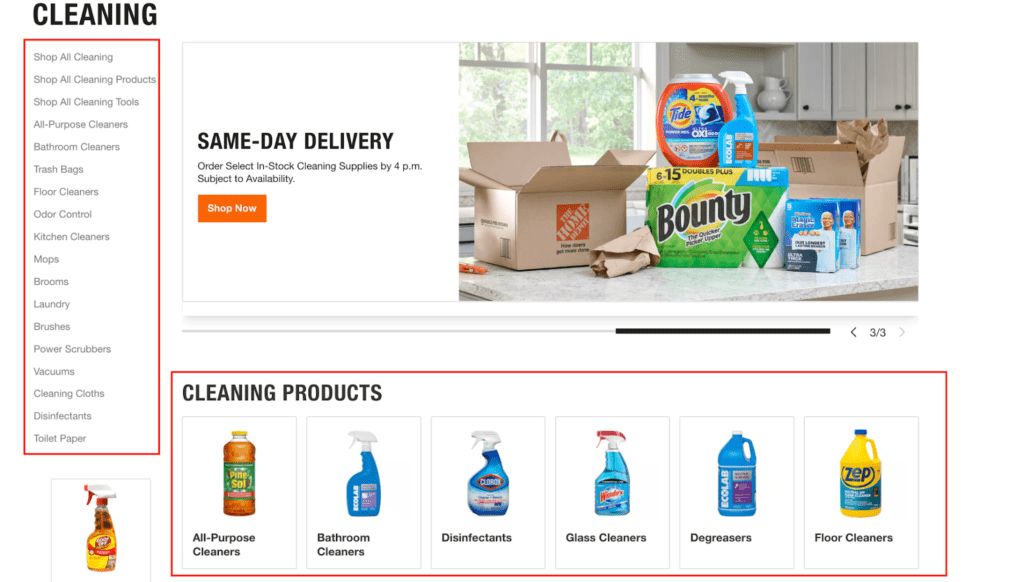
You can see this approach in action on large, content-rich sites like Home Depot. Their category pages feature clearly labeled sidebar links that connect to related product categories and subtopics, such as “Brooms,” “Mops,” or “Cleaning Supplies.” Each link uses descriptive anchor text, giving users an intuitive path to explore deeper pages while helping search engines map how these topics relate to one another. They also have a carousel below that users can select from cleaning products.
#4 – Leverage Author Expertise and Credibility
Search engines and users alike want to know who’s behind the content they’re reading — and why that person is qualified to speak on the topic. Demonstrating real expertise not only builds trust with your audience but also strengthens your site’s E-E-A-T signals (Experience, Expertise, Authoritativeness, Trustworthiness) — a key component of Google’s quality evaluation framework.
When your content is backed by credible, knowledgeable authors, it tells both users and algorithms that your information can be trusted. This is especially critical for “Your Money or Your Life” (YMYL) topics — content that can directly affect a reader’s health, finances, or overall well-being.
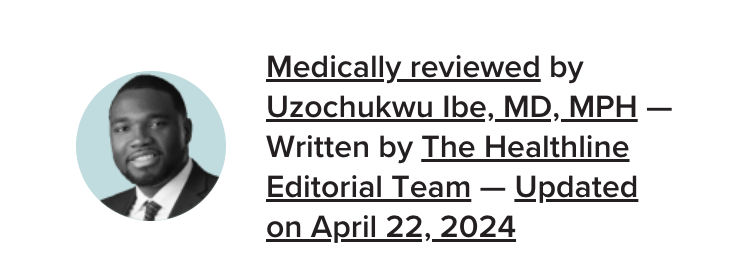
A great real-world example comes from Healthline’s editorial model. Each article includes a byline with the author, medical reviewer, and update date.
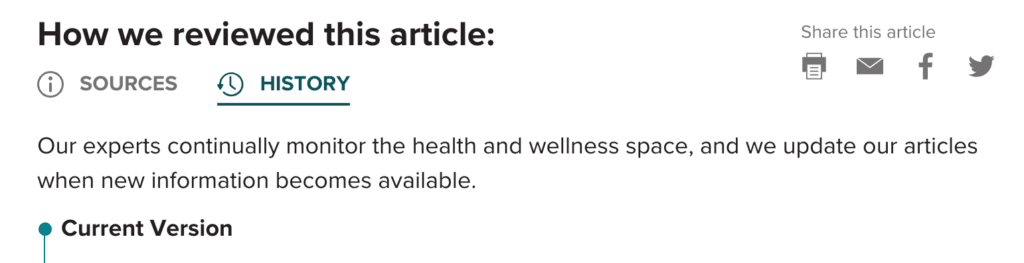
Beneath the article, a “How we reviewed this article” section provides even more transparency — listing who wrote, edited, reviewed, and updated the content, along with the date of the most recent revision.
#5 – Earn Quality Backlinks from Relevant Sites
Search engines view backlinks as votes of confidence from other sites. When those votes come from trusted sources in the same topical space, they reinforce your expertise and help search engines understand what your site should be known for. For instance, a link from a respected marketing publication to an SEO agency’s content carries far more value than dozens of random links from unrelated blogs or directories.
Earning quality backlinks takes effort, but it’s worth the investment. You can:
- Create link-worthy content — such as original research, data studies, or in-depth guides that others naturally reference.
- Engage in digital PR or outreach to share valuable insights with journalists or industry partners.
- Build relationships with complementary businesses or thought leaders in your niche to foster organic linking opportunities.
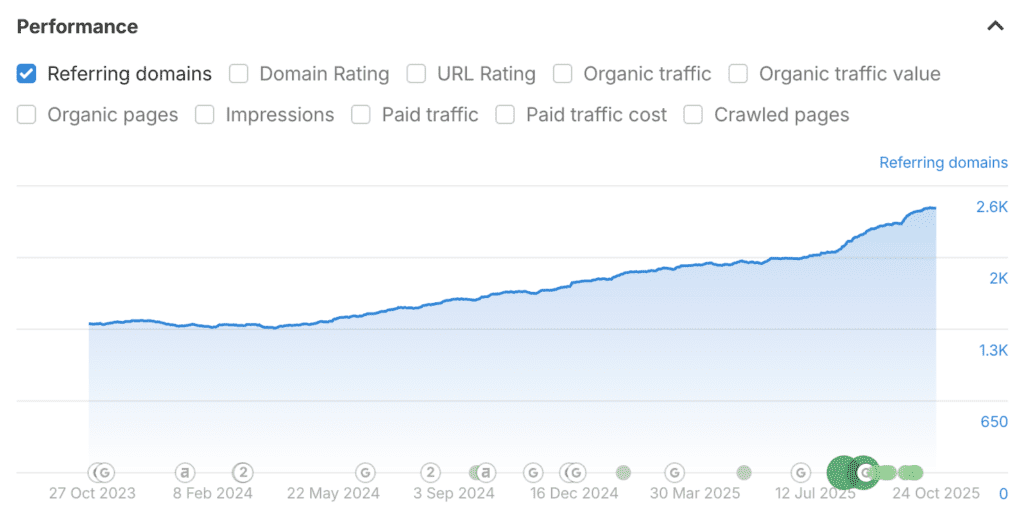
For example, Go Fish Digital demonstrates how consistent backlink-growth from relevant, industry-specific sites builds topical authority over time. In one of their blog posts the team notes that they track metrics like backlinks earned, growth in referring domains, and improvements in Domain Rating (DR) as key signals of authority.
Source: Ahrefs
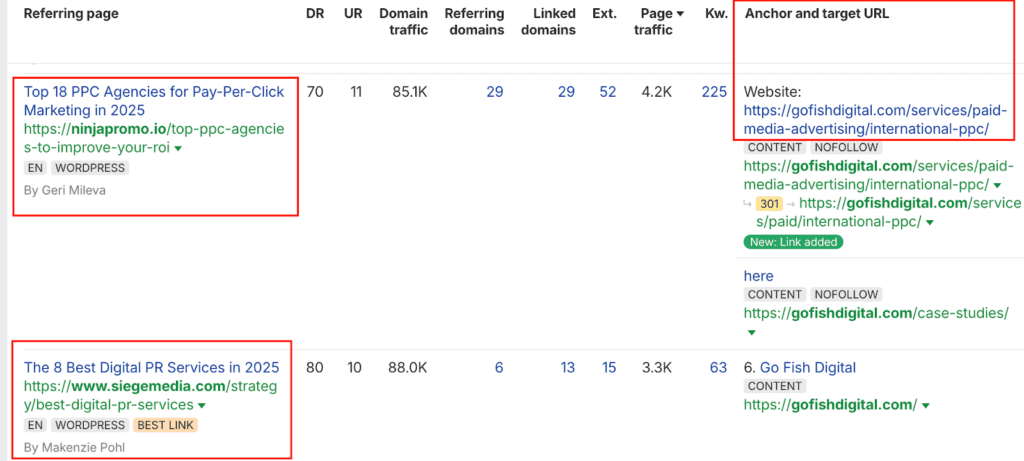
When other respected SEO, content marketing, or digital PR websites link to Go Fish Digital’s blog posts or resources, those links act as powerful signals of expertise, credibility, and trustworthiness within the industry.
Each time a reputable site references a Go Fish article — whether it’s a guide on digital PR, a case study, or an SEO strategy breakdown — it reinforces the perception that Go Fish is a reliable source of knowledge and innovation in the digital marketing space. Over time, these high-quality backlinks not only strengthen the site’s search visibility but also help solidify its reputation as an authority that other experts turn to for insight and thought leadership.
Source: Ahrefs
Building Topical Authority FAQ
What’s the Difference between Topical Authority and Domain Authority?
Topical authority refers to how much expertise your site demonstrates on a specific subject area. For example, a website might have strong topical authority around “local SEO” but not around “email marketing.”
Does Topical Authority Help my Entire Website Rank Better?
Yes, but indirectly. When a site develops strong topical authority in one area, it can lift the overall trustworthiness of the domain. This can improve crawl frequency, ranking stability, and the performance of related content. Essentially, Google starts to view your brand as a go-to resource within that vertical — which can have a positive halo effect across your site.
Can You Measure Topical Authority?
There isn’t a single numeric score for topical authority like there is for domain authority, but you can track it through a few indirect indicators. For instance, steady growth in rankings across related keyword clusters or improved organic visibility within a specific subject area can suggest your topical relevance is increasing.
You might also notice more external backlinks pointing to content within a certain subfolder or category — another strong sign that search engines and users recognize your site’s expertise. Additionally, higher engagement metrics such as click-through rate, time on page, and return visits often indicate that your content is resonating with your audience and reinforcing your authority in that topic.
Need Help Building Your Site’s Topical Authority?
Establishing true topical authority takes time, strategy, and the right SEO foundation. If you’re ready to strengthen your site’s expertise and visibility across search engines, our team at Go Fish Digital can help.
Our experienced SEO specialists create comprehensive content strategies, technical SEO frameworks, and internal linking systems designed to elevate your site’s credibility and performance in search.
Whether you’re looking to optimize your existing content or develop a full topical authority roadmap, we’ll help ensure your brand becomes a trusted voice in your industry.
👉 Explore our services:
